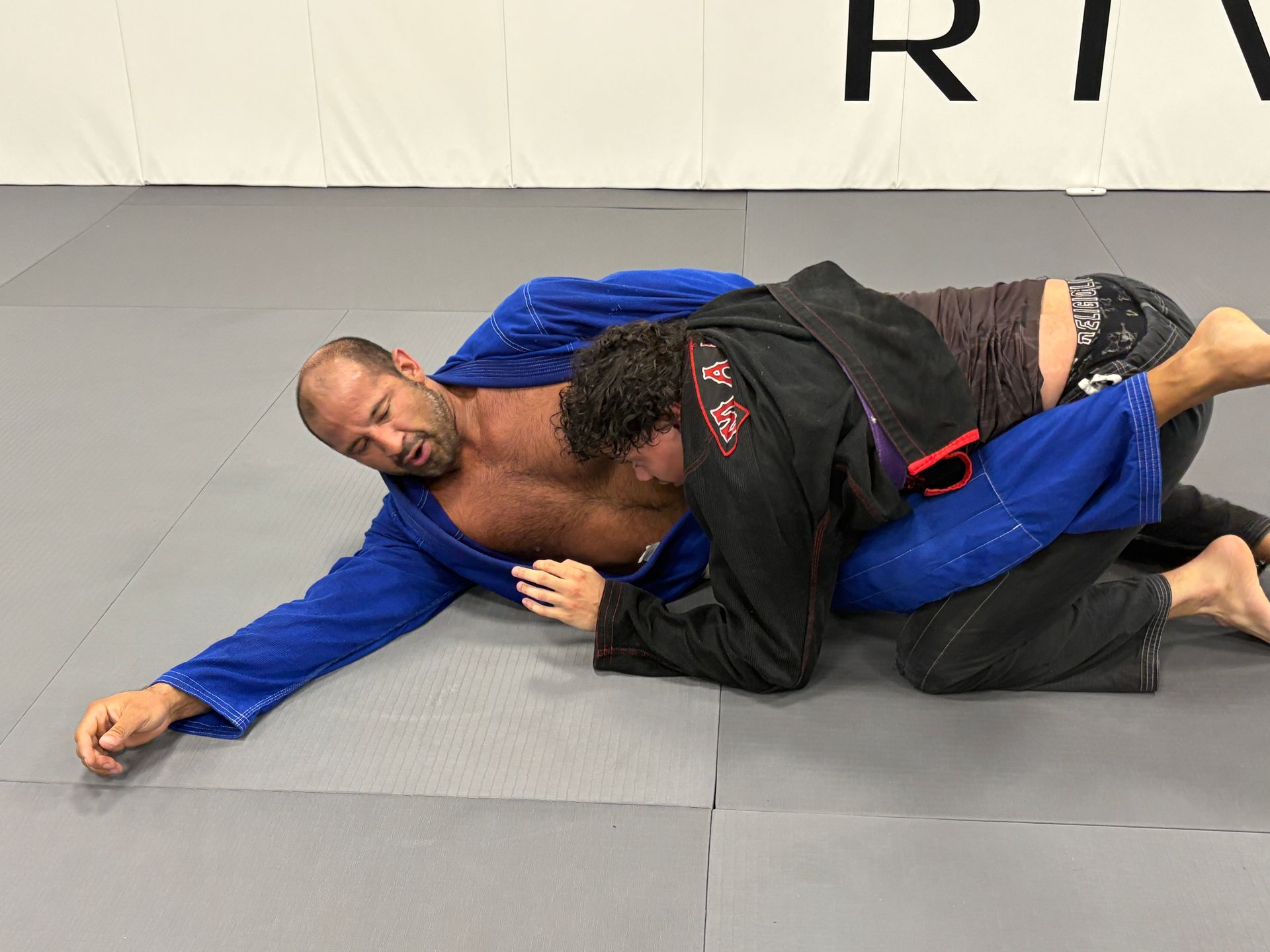
There's something about stress these days that feels different than it used to
Maybe it's the constant hum of notifications, or the way every small decision seems to carry more weight. I was thinking about this while watching the rain streak down my window this morning, and it reminded me of a conversation I had with someone who trains at Rival Jiu-Jitsu here in Waldwick. She mentioned something that stuck with me – how stepping onto those mats somehow turns all that pent-up tension into something useful, something stronger.
The Science Behind Stress Transformation
When we talk about transforming stress into strength, it sounds almost too simple to be real. But there's actual science happening beneath the surface during Brazilian Jiu-Jitsu training. Your body doesn't just release tension – it fundamentally changes how it processes stress hormones like cortisol while flooding your system with endorphins. The physical exertion acts like a reset button, honestly. I've seen people walk into Rival Jiu-Jitsu looking like they're carrying the weight of their entire week, and leave with this quiet confidence that wasn't there before.
The breathing patterns you learn during training become second nature after a while. When you're focused on technique and timing, your mind can't wander to that presentation next week or the bills on your kitchen counter. It's forced mindfulness, in the best possible way. The controlled breathing techniques taught in classes help regulate your nervous system, creating a foundation for handling stress that extends far beyond the training room.
Building Mental Resilience Through Physical Challenge
Brazilian Jiu-Jitsu has this unique way of making you comfortable with being uncomfortable. You learn to problem-solve while someone is literally trying to submit you, which – when you think about it – is excellent preparation for everyday stress. At Rival Jiu-Jitsu, instructors emphasize this mental component just as much as the physical techniques. They understand that every roll, every technique, every moment of being challenged builds a kind of mental callus against stress.
The problem-solving aspect fascinates me most, I think. You're constantly adapting, adjusting, finding solutions in real time. Your brain learns to stay calm under pressure, to think clearly when things aren't going according to plan. It's like stress inoculation – exposing yourself to manageable challenges so that outside stressors feel more manageable by comparison.
There's also something to be said for the community aspect. Training alongside others who are pushing through their own challenges creates this unspoken support system. You're all in it together, sweating through the same difficulties, celebrating small victories. The sound of feet shuffling across mats, the gentle guidance from instructors, the quiet determination – it all adds up to something larger than individual effort.
Youth Development and Early Stress Management
The Youth Jiu-Jitsu program in Waldwick offers something particularly valuable – teaching young people how to channel stress constructively before negative patterns set in. Kids these days face pressures that frankly didn't exist when I was growing up. Social media, academic competition, the constant comparison – it's a lot. But watching young students at Rival Jiu-Jitsu learn to breathe through challenges, to persist when things get difficult, to support their teammates... there's hope in that.
Children who train regularly develop emotional regulation skills that serve them throughout life. They learn that failure isn't permanent, that getting submitted or making mistakes is just part of learning. The structured environment provides clear goals and measurable progress, which builds confidence in a way that feels earned rather than given.
The discipline aspect isn't harsh or militaristic – it's more about showing up consistently, respecting others, taking care of your gear. Small responsibilities that build character over time. When a twelve-year-old learns to stay calm while working through a difficult technique, they're building neural pathways that will help them handle test anxiety, social pressures, and future challenges with more grace.
The Physical Release and Neurochemical Benefits
There's something almost magical about how intense physical activity changes your brain chemistry. During Brazilian Jiu-Jitsu training, your body produces natural mood elevators while simultaneously reducing stress hormones. It's like your system gets a complete recalibration. The intensity of grappling demands total presence – you can't be thinking about work deadlines when someone is trying to sweep you.
The physical exhaustion that follows training is different from the tired feeling you get after a stressful day at work. It's clean exhaustion, if that makes sense. Your muscles are tired from use rather than tension, your mind is clear rather than cluttered. Members at Rival Jiu-Jitsu often mention sleeping better on training days, and that makes perfect sense when you consider how the practice affects stress hormones.
Regular training also improves cardiovascular health, which directly impacts how well your body handles stress in daily life. When your heart is stronger and your breathing is more efficient, your entire system becomes more resilient. The flexibility and mobility work incorporated into classes helps release physical tension that accumulates from sitting at desks or carrying stress in your shoulders and neck.
Mindfulness in Motion
One thing that surprises many people about Brazilian Jiu-Jitsu is how meditative it becomes. Not meditation in the sitting-quietly-with-your-eyes-closed sense, but active meditation. When you're fully engaged in technique, when timing and leverage matter more than force, your mind enters this focused state that's incredibly refreshing. It's mindfulness without the mysticism, presence without pretense.
The rolling sessions at Rival Jiu-Jitsu create natural opportunities to practice staying calm under pressure. You learn to read subtle cues, to feel changes in weight distribution and grip pressure. This heightened awareness transfers to daily life in surprising ways. You might notice tension building in your jaw during a difficult conversation, or catch yourself holding your breath when stressed, and remember to adjust.
The acceptance of being a beginner, of making mistakes, of learning slowly – these are valuable lessons for managing perfectionism and the stress it creates. There's something liberating about tapping out when you're caught in a submission, acknowledging that you're still learning, and immediately resetting to try again. That mindset shift alone can transform how you handle setbacks in other areas of life.
Building Confidence Through Competence
Real confidence comes from competence, from knowing you can handle challenges because you've handled them before. Brazilian Jiu-Jitsu builds this systematically, through small victories and gradual skill development. At Rival Jiu-Jitsu, students progress at their own pace while being challenged appropriately for their level. This creates genuine self-assurance rather than false confidence.
Learning to defend yourself, even at a basic level, changes how you move through the world. Not in an aggressive way, but with quiet assurance. You know you can stay calm under pressure because you've practiced it. You know you can solve problems because you've worked through countless puzzles on the mats. This competence-based confidence helps reduce anxiety about uncertain situations.
The belt progression system provides clear markers of growth, but the real confidence comes from internal changes. Suddenly you're able to help newer students with techniques that once seemed impossible. You can roll with larger or more experienced partners without panic. These realizations happen gradually, like strength building in muscles you didn't know you had.
Community and Shared Growth
Training at Rival Jiu-Jitsu means becoming part of something larger than individual practice. There's this unspoken understanding among people who train regularly – you've all been humbled, you've all struggled, you've all grown. The shared experience creates bonds that extend beyond the training room. It's common to see training partners grabbing coffee after class or checking in with each other during difficult times.
The supportive environment makes it easier to be vulnerable, to admit when you're struggling with stress or life challenges. When you're used to being physically vulnerable during training, emotional vulnerability becomes less scary. People share strategies for handling pressure, offer encouragement during difficult periods, celebrate each other's progress both on and off the mats.
This community aspect provides a buffer against isolation, which often amplifies stress. Having people who understand your journey, who've seen you at your most frustrated and most triumphant, creates a support network that's both practical and emotional. The relationships formed through shared struggle tend to be particularly resilient and meaningful.
The Long-Term Transformation
What really strikes me about Brazilian Jiu-Jitsu at Rival Jiu-Jitsu is how the changes compound over time. Students who have trained consistently for months or years develop this quiet resilience that's hard to rattle. They handle workplace conflicts differently, approach challenges with more curiosity than anxiety, sleep better, and generally seem more at ease with uncertainty.
The stress management skills become automatic rather than conscious. You find yourself naturally using breathing techniques during tense moments, or approaching problems with the patience and persistence you've developed on the mats. The physical strength and flexibility improve daily comfort and energy levels, while the mental skills provide tools for navigating whatever life presents.
Perhaps most importantly, the practice changes your relationship with discomfort itself. Instead of something to avoid, discomfort becomes information, an opportunity for growth, a temporary state that you're capable of working through. This shift in perspective might be the most valuable stress management tool of all.
The transformation happens slowly, almost imperceptibly, like muscle memory building in techniques you've practiced hundreds of times. One day you realize that situations that used to overwhelm you now feel manageable, that stress has become fuel rather than burden, that you've genuinely grown stronger from the inside out.
Practical Integration with Daily Life
The beauty of training at Rival Jiu-Jitsu lies in how seamlessly the lessons integrate with everyday stress management. The breathing techniques you learn for staying calm during intense rolls work equally well before important meetings or difficult conversations. The patience developed while learning complex techniques translates to better handling of frustrating situations at work or home.
The problem-solving mindset becomes a default approach to challenges. Instead of feeling overwhelmed by obstacles, you start automatically looking for angles, for leverage points, for creative solutions. The persistence required to master techniques builds tolerance for the slow progress that real change often requires in other areas of life.
Even the ritual of showing up consistently, of changing into training clothes, of setting aside dedicated time for growth – these habits create structure that supports overall stress management. Having something to look forward to, a community to be part of, a practice that demands your full presence, all contribute to better mental health and stress resilience.
---
If you're curious about experiencing this transformation yourself, you might want to explore what Rival Jiu-Jitsu offers through their website at https://www.rivalbjj.com/.
I stumbled across their approach to Youth Jiu-Jitsu in Waldwick recently, and it struck me how thoughtfully they've designed their programs around building genuine strength rather than just teaching techniques at https://www.rivalbjj.com/youth-programs.
If you're ready to discover how stress can actually become a source of strength rather than something that weighs you down, scheduling a visit to see the community in action might be exactly what you've been looking for at https://www.rivalbjj.com/contact.